
Daily SPF for Dubai and the Emirates
How to Choose Sunscreen for Dubai’s Climate
For Dubai, the most useful sunscreen is one that offers appropriate broad-spectrum protection and that you can apply generously and reapply when outdoors. Format matters because comfort, coverage, makeup, sweat, and daily habits determine whether SPF is actually used.
Key points
- Dermatologists recommend broad-spectrum, water-resistant SPF 30 or higher for exposed skin.
- Apply before outdoor exposure and reapply about every two hours outdoors, and after swimming or heavy sweating, following the label.
- BB cream or cushion SPF can supplement protection and coverage but should not encourage under-application.
- Shade, clothing, hats, and sunglasses remain important because sunscreen is only one part of sun protection.
Choose the Protection First
Look for broad-spectrum protection covering UVA and UVB and an SPF suited to your exposure. The American Academy of Dermatology recommends SPF 30 or higher and water resistance. If you swim, exercise, or sweat heavily, use the water-resistance time and reapplication directions printed on the product.
Then Choose a Format You Will Use
Cream sunscreen works as the dependable base layer. Tinted, BB, and cushion formats can make daytime touch-ups and complexion coverage easier, but the applied amount still matters. If a complexion product is used too sparingly to reach its labelled protection, keep a dedicated sunscreen underneath.
Apply Enough and Reapply
Apply sunscreen to all exposed areas, including ears, neck, and hairline, before going outside. When outdoors, reapply approximately every two hours and after swimming or sweating. For a mostly indoor day, consider windows, commute time, midday errands, and any direct sun exposure rather than relying on a rigid one-size-fits-all schedule.
Connect SPF to Pigmentation and Procedures
UV and visible light can worsen uneven pigmentation in susceptible skin, and recently treated skin may be more sun-sensitive. Follow your dermatologist or practitioner’s aftercare instructions after procedures. If sunscreen stings recently treated skin, do not improvise with strong products - ask the treating professional what and when to apply.
Relevant GENOSYS products
These products are shown for education and routine planning. Choose according to skin condition, product instructions, and professional guidance where appropriate.
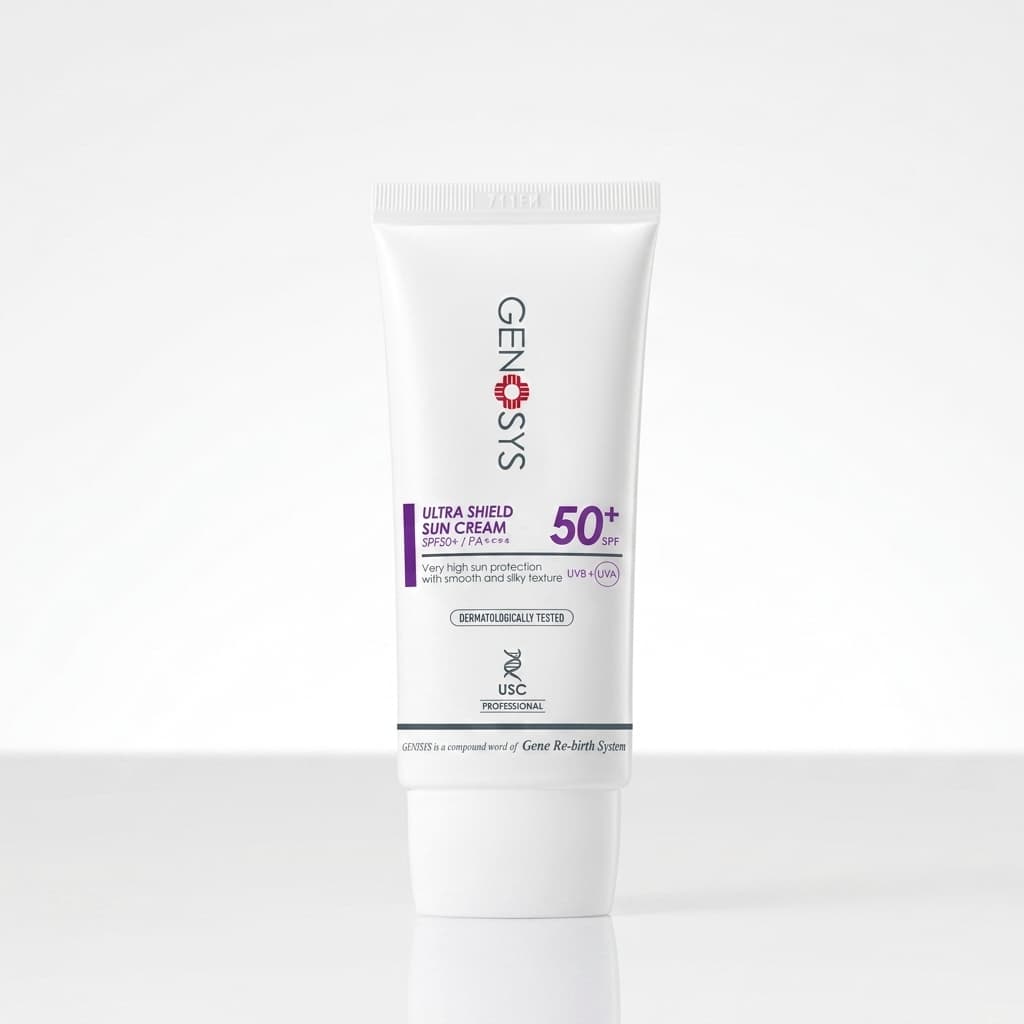
Ultra Shield Sun Cream SPF 50+
High UV protection for use when the treating professional says sunscreen can resume.
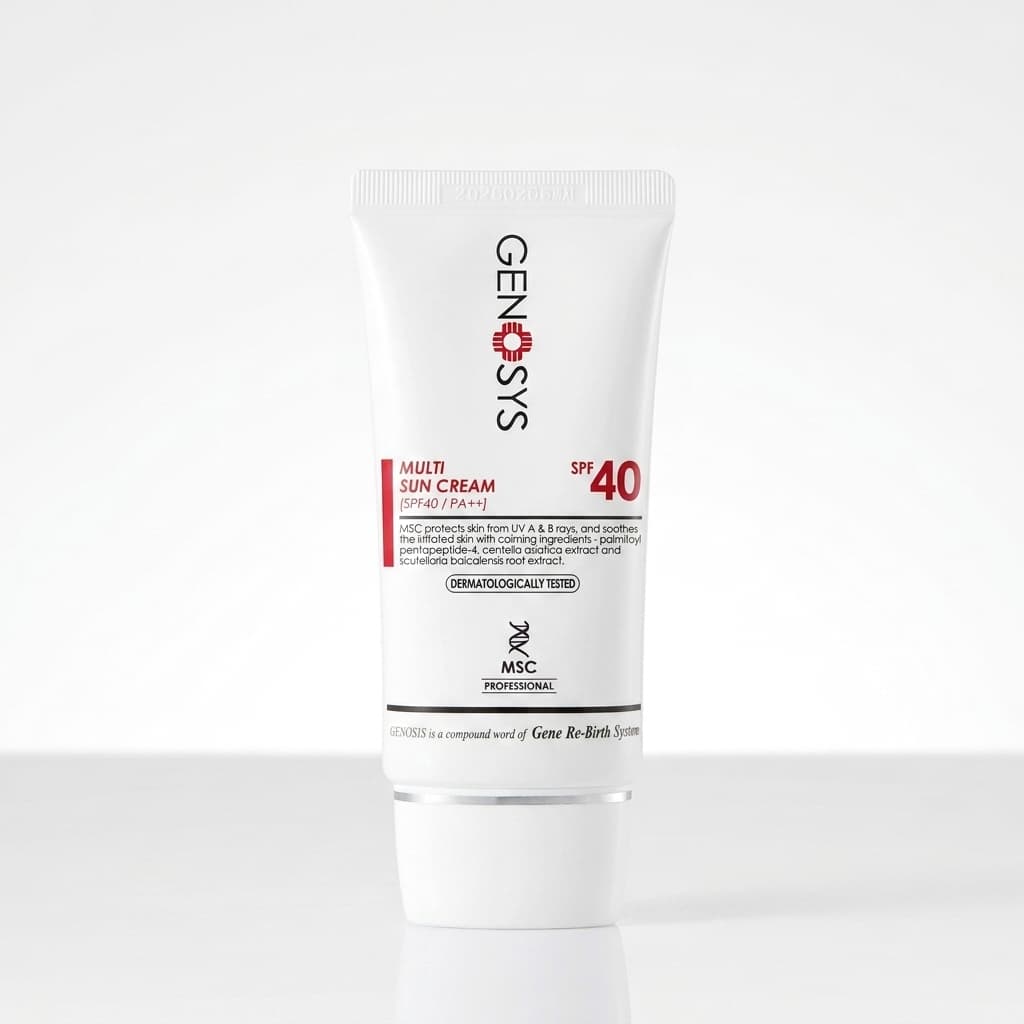
Multi Sun Cream SPF 40
A mild daily sunscreen with a lightweight cream format.
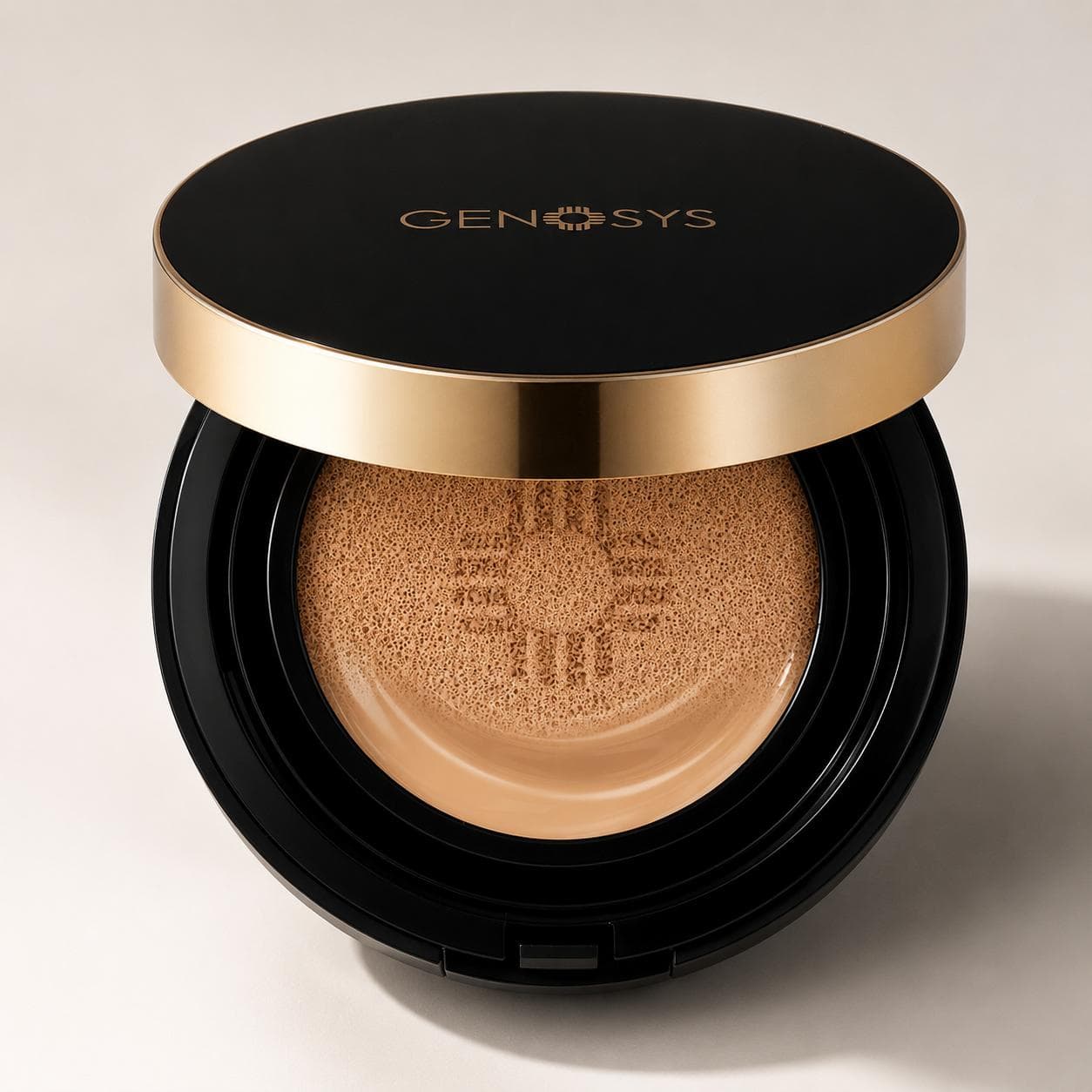
Skin Caring BB Cushion SPF 50+
Portable coverage for touch-ups and visible redness.
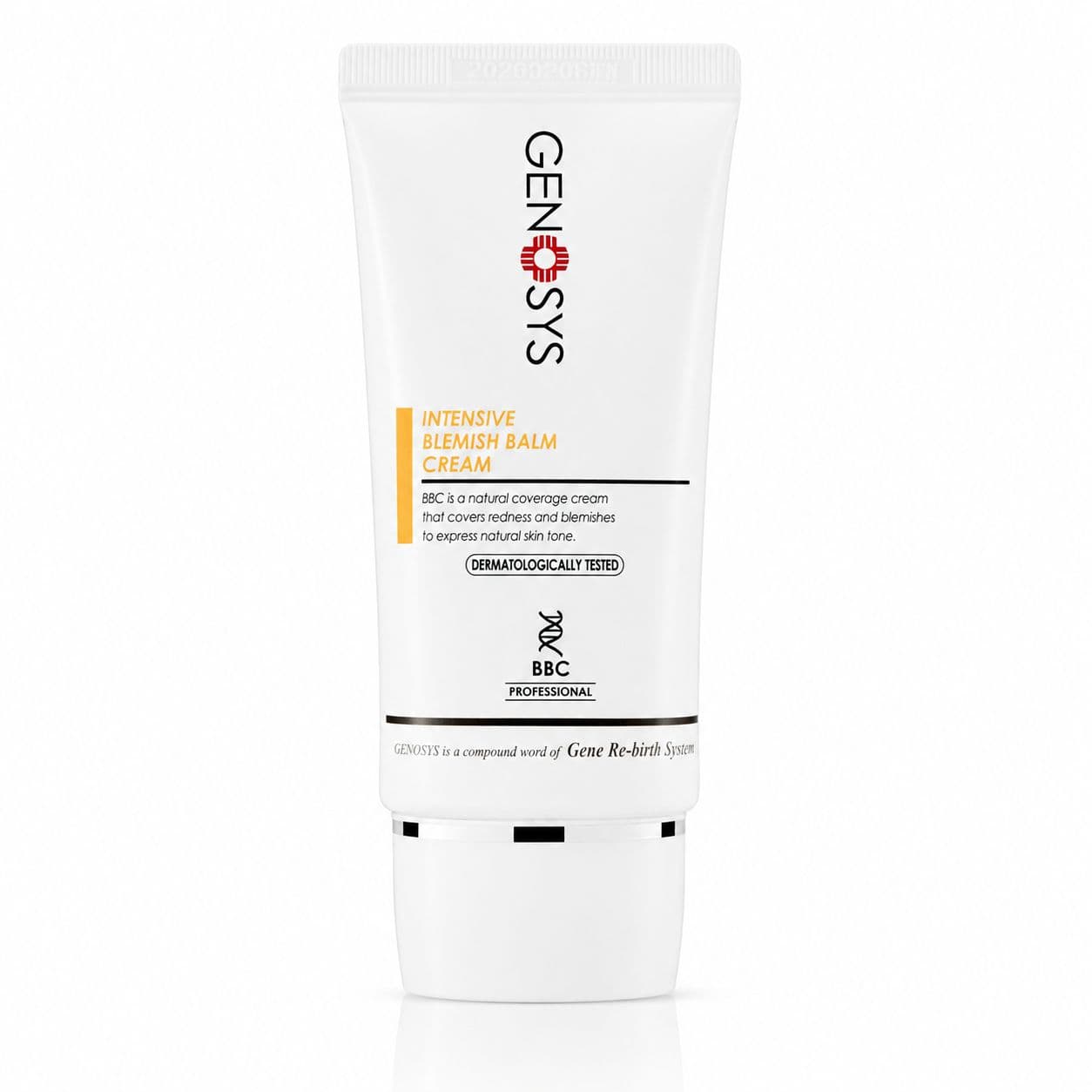
Intensive Blemish Balm SPF 30
A coverage product that combines complexion correction with labelled SPF.
Recommended next steps
Quick answers
What SPF should I use in Dubai?
Choose broad-spectrum SPF 30 or higher; many people prefer SPF 50+ for strong exposure. Suitability also depends on skin type, activity, water resistance, amount applied, and reapplication.
How often should sunscreen be reapplied?
When outdoors, dermatologists advise approximately every two hours and after swimming or sweating. Follow the specific water-resistance and reapplication instructions on the label.
Can an SPF cushion replace sunscreen?
A cushion can help with portable touch-ups, but most people apply complexion products more thinly than a sunscreen test amount. Use a dedicated sunscreen base when reliable full-face protection is needed.
Do I need sunscreen while driving or working near windows?
UVA can pass through ordinary window glass to varying degrees. Consider your distance from windows, commute, time outdoors, and dermatologist guidance when planning protection.
Evidence and safety sources
Independent references support the general educational guidance. Product-specific claims should be checked against the product label and professional protocol.
Need product guidance?
Contact GENOSYS Middle East for product recommendations, professional training, or clinic partnership support in the UAE.